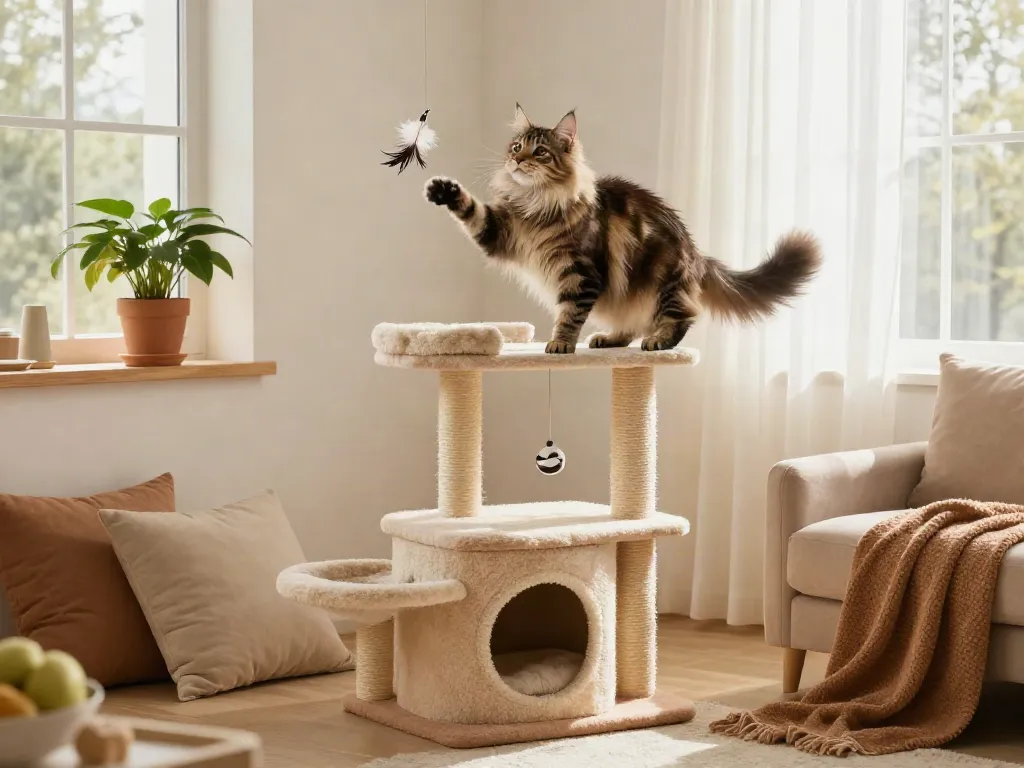
Understanding the Importance of a Cat Tree
For cat owners, a cat tree is more than just a piece of furniture—it's a vital investment in their pet's health and happiness. Offering a designated space for climbing, scratching, and resting, cat trees cater to a cat's natural instincts. With various designs and features, they provide essential stimulation and a secure environment for playful felines. When exploring options, cat tree selections can vary widely, making it essential to understand their benefits and functionalities.
Why Cat Trees are Essential for Feline Health?
Cat trees serve several critical functions that promote feline health. They provide a physical outlet for exercise, which helps prevent obesity—a common issue among indoor cats. Additionally, climbing structures and perches allow cats to engage in their natural behaviours, such as climbing and observing their surroundings from above. This vertical space is crucial, as cats feel safer when they can survey their territory from higher vantage points.
Benefits of Multi-Level Cat Trees for Active Cats
Multi-level cat trees offer various benefits for active cats. They encourage physical activity through climbing and jumping, which keeps cats agile and mentally stimulated. These structures often include scratching posts that help maintain healthy claws, reducing the likelihood of destructive behaviour on household furniture. Furthermore, providing multiple levels caters to multi-cat households, allowing each cat to have its own space while still engaging with others.
Addressing Common Misconceptions About Cat Trees
Many pet owners underestimate the value of a cat tree, assuming their cats will be content without one. However, misconceptions like these can lead to missed opportunities for enrichment. Some believe that cat trees take up too much space or are too expensive. On the contrary, there are compact models available that fit any budget, ensuring every cat can benefit from enhanced play and relaxation options.
Features to Look for When Choosing a Cat Tree
Materials and Durability: What Matters Most?
The construction materials of a cat tree play a significant role in its longevity and safety. Look for options made from durable wood, covered with fabric or sisal for scratching. Bamboo and plywood are excellent choices, offering sturdiness without compromising aesthetics. Avoid flimsy cardboard structures, which are less stable and can lead to accidents or injuries.
Design Aspects to Enhance Your Home's Aesthetics
Choosing a cat tree doesn't mean sacrificing your interior design. Many contemporary cat trees boast sleek, modern designs that complement home décor. Options with neutral colours or stylish finishes can blend seamlessly into your living space, allowing your pet to have a designated play area without detracting from your home's aesthetic appeal.
Size and Space Considerations for Your Cat Tree
When selecting a cat tree, consider the available space in your home. Measure your area to ensure the cat tree fits comfortably without overcrowding. Additionally, think about your cat's size and activity level—larger cats benefit from sturdier, wider platforms, while smaller cats may thrive in more compact, multi-level designs.
Top Trends in Cat Tree Design for 2026
Innovative Features for Enhanced Feline Engagement
As pet ownership evolves, so does the design of cat trees. 2026 is seeing innovative features such as interactive elements that encourage play. Some modern designs incorporate tunnels, hammocks, and even attached toys that can keep cats entertained for hours. These engaging components help satisfy a cat's curiosity and desire for stimulation.
Sustainable Materials in Modern Cat Trees
Increasingly, pet owners are looking for eco-friendly options. Sustainable materials, such as bamboo and recycled fabrics, are becoming popular in cat tree construction. These environmentally conscious choices not only appeal to eco-minded consumers but also provide safe, non-toxic environments for cats.
Smart Technology Integration: The Future of Cat Trees
The incorporation of smart technology into pet products is a rising trend, and cat trees are no exception. Some brands are now offering cat trees that integrate with mobile apps, allowing owners to track their pet's activity or even interact with them remotely. These advancements provide new ways for owners to engage with their pets while promoting a healthy lifestyle.
How to Encourage Your Cat to Use Its Tree
Effective Strategies for Training Your Cat
Getting your cat to use its new tree may require some training. Start by placing treats or toys on the different levels of the tree, encouraging your cat to explore and climb. Positive reinforcement, such as praise or rewards, can also help make the tree a preferred spot for your cat.
Using Toys and Treats to Promote Interaction
Incorporating toys into the cat tree environment can elevate your cat's interest. Consider attaching dangling toys or placing interactive playthings on the platforms. Additionally, treats can act as enticements, making the tree more appealing to your feline friend.
Creating a Safe and Inviting Space for Your Cat
Make the cat tree a welcoming space by placing it near a sunny window or a quiet corner of your home. Cats enjoy feeling secure, so the tree should be stable and safe. Regularly check for any loose parts or wear to ensure it always remains a safe haven.
Where to Buy the Best Cat Trees in 2026
Online Retailers vs. Local Pet Stores: Pros and Cons
When it comes to purchasing a cat tree, both online retailers and local pet stores offer unique advantages. Online shops often provide a broader selection and competitive pricing, while local stores allow you to inspect the product before buying. Consider your preferences, such as immediate availability versus the option to see the product in person.
Comparing Prices: Finding the Best Deals
Prices for cat trees can vary considerably based on features, materials, and brand. Research and compare prices across different platforms to ensure you're getting the best deal. Be mindful of shipping costs, which can significantly affect the final price if purchased online.
Reading Reviews: What to Look For Before You Buy
Before purchasing a cat tree, read customer reviews to gather insights on quality, durability, and ease of assembly. Look for reviews that mention specific features that are important to you, such as stability for larger cats or the ease of cleaning materials.
What are the best materials for cat trees?
The best materials for cat trees include sturdy wood, durable fabric, and natural sisal for scratching posts. These materials offer stability, safety, and longevity, ensuring that the cat tree can withstand the wear and tear of daily use.
How do I train my cat to use its cat tree?
Training your cat involves encouraging exploration through treats, toys, and positive reinforcement. Placing items of interest at varying heights can help entice your cat to climb and engage with the tree.
What are the benefits of a multi-level cat tree?
A multi-level cat tree provides space for multiple cats, offering areas for play, scratching, and resting. This layout encourages exercise and keeps cats mentally stimulated, preventing boredom-related behaviours.
What should I avoid when purchasing a cat tree?
Avoid purchasing cat trees made from flimsy materials, as they may not provide adequate support or safety for your cat. Additionally, steer clear of models that lack stability or have sharp edges that could pose a hazard.
Are there cat trees suitable for large cats?
Yes, many brands offer cat trees specifically designed for larger breeds. These structures usually feature reinforced bases, wider platforms, and stronger scratching posts to accommodate heavier weights and active play.